Shopping for an import vehicle in Denver? You're probably weighing the pros and cons of European luxury against Japanese reliability. Both offer compelling advantages, but they take very different approaches to engineering and maintenance. Understanding these differences can help you make the right choice for your lifestyle and budget—especially when dealing with Colorado's challenging driving conditions.
The Tale of Two Philosophies
European and Japanese automakers approach vehicle design with fundamentally different priorities, and these philosophies directly impact your maintenance experience.
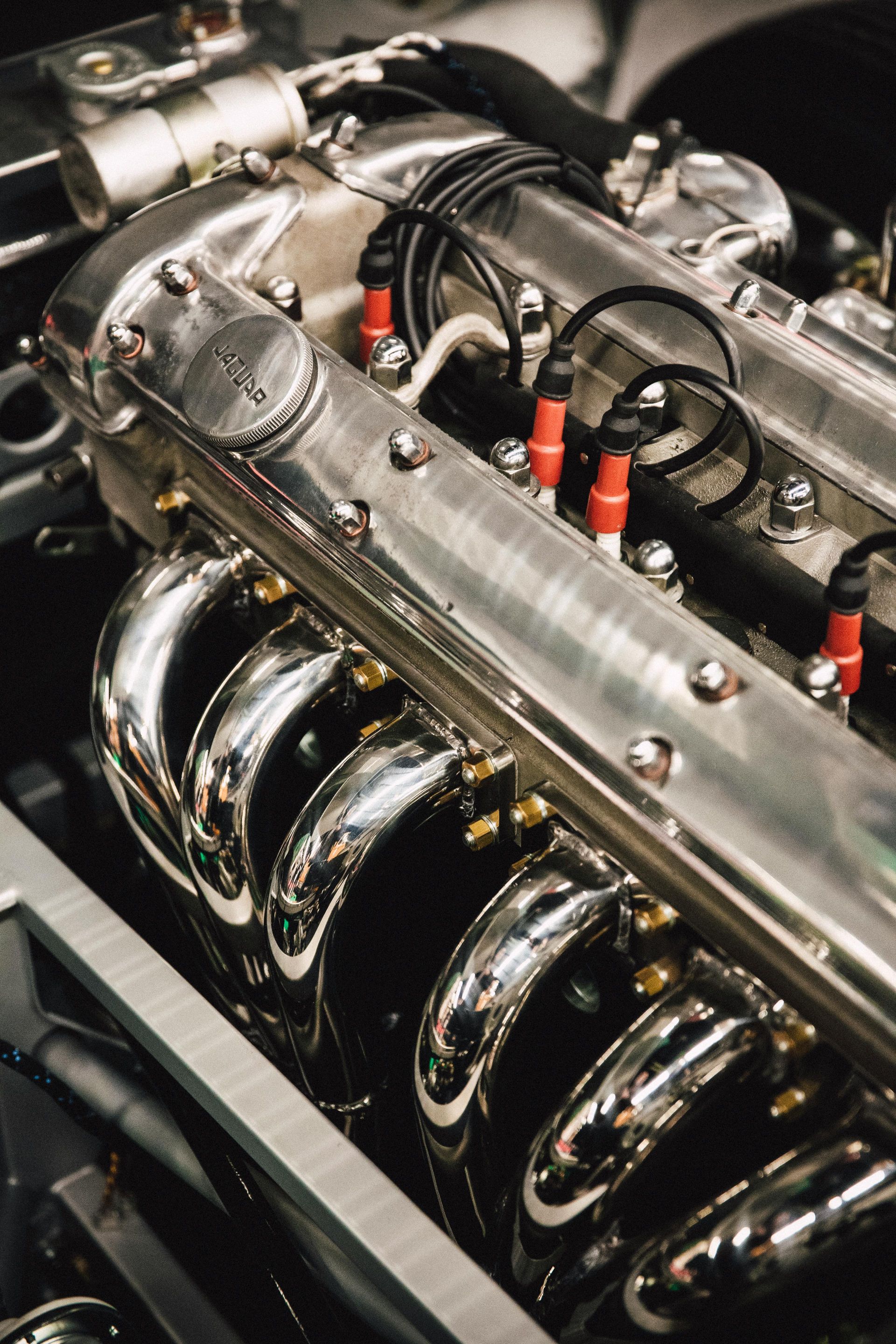
European Philosophy: Performance First European manufacturers like BMW, Mercedes-Benz, Audi, and Porsche prioritize performance, luxury, and cutting-edge technology. They build vehicles with sophisticated systems designed to deliver the ultimate driving experience. This approach creates cars that are thrilling to drive but often require more complex maintenance procedures.
Japanese Philosophy: Reliability Above All Japanese brands like Honda, Toyota, Acura, and Subaru focus on long-term reliability, efficiency, and practical design. They engineer vehicles to run dependably with minimal fuss. This philosophy results in cars that might not excite enthusiasts but rarely leave you stranded.
Maintenance Frequency: The Numbers Don't Lie
When it comes to how often you'll visit the service bay, there's a clear difference between European and Japanese imports.
European Import Service Intervals
- Oil changes: Every 10,000-15,000 miles (but Denver conditions often require more frequent service)
- Major services: Every 10,000-20,000 miles
- Specialized procedures: Carbon cleaning, adaptation resets, complex diagnostics
Japanese Import Service Intervals
- Oil changes: Every 5,000-7,500 miles
- Major services: Every 30,000-60,000 miles
- Straightforward procedures: Standard maintenance with fewer variables
While European vehicles technically have longer intervals between services, they often require more intensive work when service time comes. Japanese vehicles need more frequent oil changes but typically have simpler, less expensive service procedures.
Cost Comparison: What Denver Drivers Actually Pay
The difference in maintenance costs between European and Japanese imports can be substantial:
European Import Costs (Annual Average)
- Routine maintenance: $1,200-2,500
- Oil changes: $80-150 (synthetic required)
- Brake service: $500-1,000 per axle
- Major repairs: $1,500-4,000
Japanese Import Costs (Annual Average)
- Routine maintenance: $600-1,200
- Oil changes: $40-100 (conventional or synthetic)
- Brake service: $300-600 per axle
- Major repairs: $800-2,000
European vehicles typically cost 50-75% more to maintain than their Japanese counterparts. This difference comes from several factors: premium parts costs, more complex procedures, and the need for specialized diagnostic equipment.
Complexity of Repairs: When Things Go Wrong
The engineering philosophies show most clearly when repairs are needed.
European Import Complexity European vehicles often integrate multiple systems together. For example:
- Engine management tied to transmission control
- Suspension systems with electronic adjustments
- Climate control integrated with engine cooling
- Advanced electronics requiring specific programming
A simple brake job on a BMW might require computer programming to reset electronic parking brake systems. An oil change on an Audi could need specific procedures to reset service indicators and adaptation values.
Japanese Import Simplicity Japanese vehicles typically use more straightforward designs:
- Systems operate independently when possible
- Fewer electronic integrations
- Standard procedures across model lines
- Generic diagnostic tools often work effectively
This doesn't mean Japanese vehicles lack sophistication—they just hide complexity from the service technician.
How Denver's Environment Affects Both
Colorado's challenging conditions impact European and Japanese imports differently:
Altitude Effects Denver's thin air affects both import types, but in different ways:
- European turbo engines may develop carbon buildup faster
- Japanese naturally aspirated engines typically handle altitude better
- Both benefit from more frequent air filter changes
Temperature Extremes Our wild weather swings stress different systems:
- European vehicles: Complex cooling systems and electronics suffer more
- Japanese vehicles: Simpler systems generally prove more resilient
Mountain Driving Colorado's steep grades challenge both import types:
- European: Advanced all-wheel-drive systems handle terrain well but cost more to maintain
- Japanese: Simpler AWD systems prove reliable but may not perform as well in extreme conditions
Winter Road Treatments Salt and chemicals affect both categories:
- European: Aluminum components and complex undercarriage electronics face greater risk
- Japanese: Steel bodies with better protective coatings typically resist corrosion longer
Parts Availability and Costs
Finding parts in Denver reveals another key difference:
European Import Parts
- Higher costs for genuine OEM components
- Longer wait times for specialty parts
- Fewer aftermarket alternatives
- Some parts available only through dealerships
Japanese Import Parts
- Widely available at competitive prices
- Multiple suppliers and aftermarket options
- Faster delivery times
- Compatible parts across model lines
This difference becomes especially important for older vehicles. A 10-year-old Toyota is usually cheaper to repair than a 10-year-old BMW, partly due to parts availability and costs.
Reliability Over Time
Long-term reliability patterns show clear differences:
European Imports
- Excellent performance when properly maintained
- Higher likelihood of expensive repairs after 100k miles
- Electronic systems may develop intermittent issues
- Suspension and cooling systems often need attention
Japanese Imports
- Consistently reliable with basic maintenance
- Major components typically last 200k+ miles
- Fewer electronic problems over time
- Engines and transmissions prove exceptionally durable
Making the Right Choice for Your Situation
Consider these factors when choosing between European and Japanese imports:
Choose European If:
- You prioritize driving performance and luxury features
- You can budget $1,500-2,500 annually for maintenance
- You have access to qualified European specialists
- You typically keep vehicles for 5-7 years
Choose Japanese If:
- Reliability and low ownership costs are priorities
- You prefer predictable maintenance expenses
- You plan to keep your vehicle for 10+ years
- You want widespread service availability
The Denver Factor
For Denver drivers specifically, Japanese imports often prove more practical due to:
- Better parts availability in the metro area
- More service options at competitive prices
- Proven reliability in Colorado conditions
- Lower total ownership costs
However, European imports offer advantages for drivers who:
- Frequently travel mountain roads (superior AWD systems)
- Value advanced safety and performance features
- Appreciate luxury appointments and build quality
Bottom Line: Total Cost of Ownership
Over a typical ownership period, expect to spend:
- European Import : $15,000-25,000 in maintenance over 10 years
- Japanese Import : $8,000-15,000 in maintenance over 10 years
These figures assume proper maintenance and typical Denver driving conditions. Your actual costs may vary based on driving habits, specific models, and how long you keep your vehicle.
Both import types can provide excellent service when properly maintained. The key is understanding what you're getting into and budgeting accordingly.
Expert Import Service for Both European and Japanese Vehicles
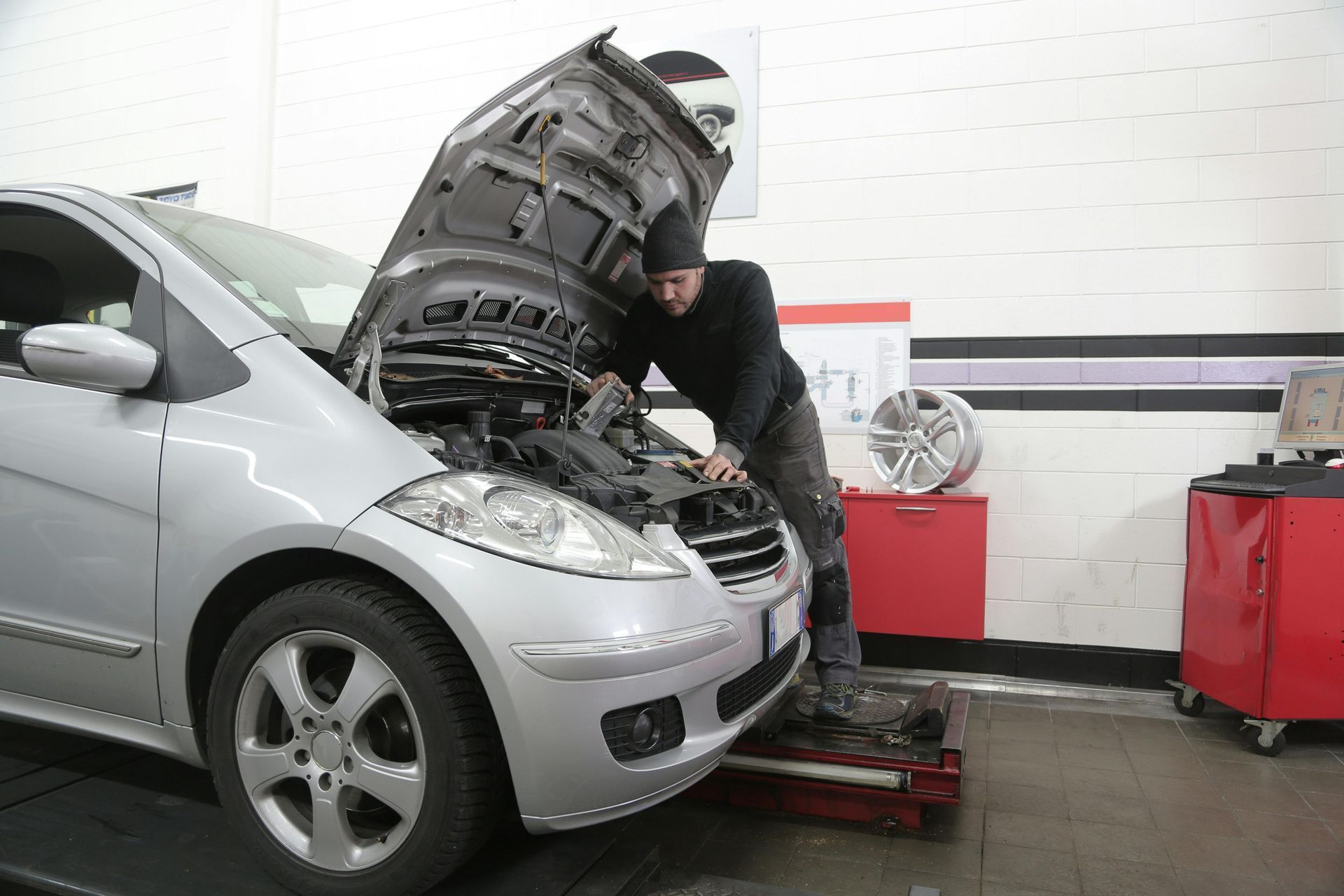
At Importsports Auto Repair Pros & Performance, we specialize in both European and Japanese imports. Our ASE Certified technicians understand the unique maintenance needs of BMW, Mercedes-Benz, Audi, Honda, Toyota, Subaru, and other import brands.
Whether you choose European sophistication or Japanese reliability, we have the factory diagnostic equipment, specialized knowledge, and genuine parts access to keep your import running at its best. Our 36-Month/36k-Mile warranty backs every service, giving you confidence regardless of which import philosophy you prefer.
Located in Denver since 1997, we've helped thousands of import owners navigate the maintenance differences between European and Japanese vehicles. Contact us today at (303) 752-2422
or book your import service online. Let our expertise guide you in making the right choice for your Denver driving needs.